
Tick and Mosquito Control in Sussex, NJ
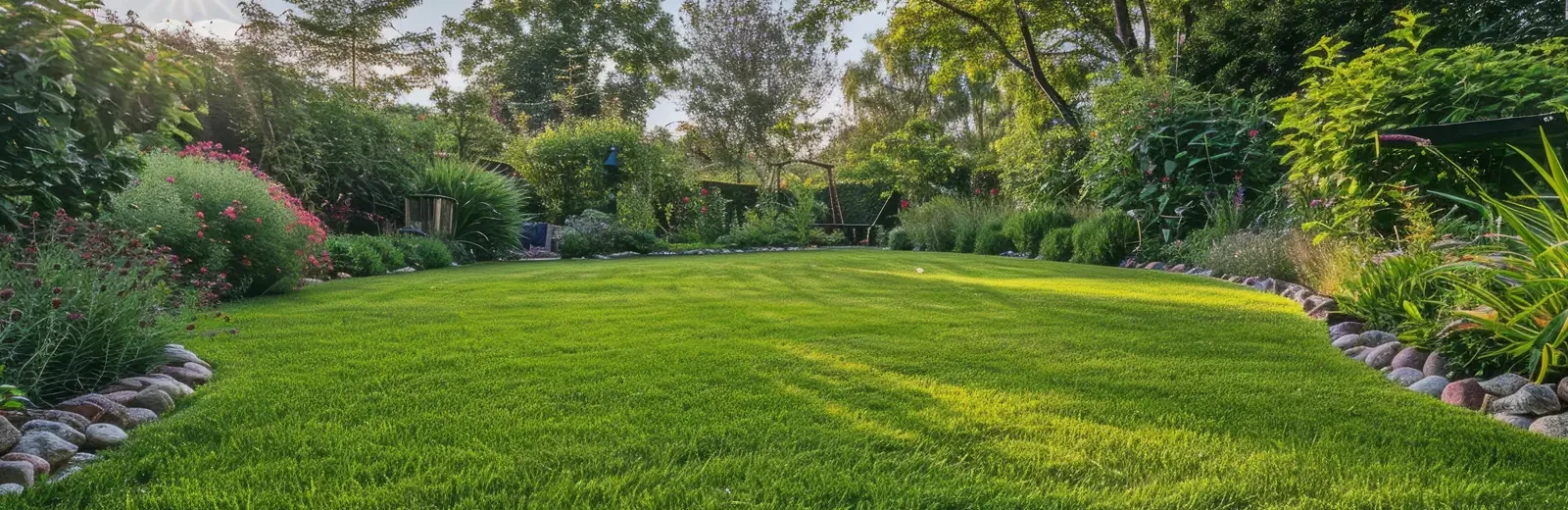
Reclaim your backyard from mosquitoes, fleas, and ticks that prevent you from enjoying those summer BBQs and family gatherings. Pets deserve a yard free of biting insects too, especially when DIY solutions repeatedly fail to deliver lasting results.
Our professional tick and mosquito control services in Sussex include:
- Environmentally responsible treatments that work
- Effective barrier spray that drastically reduces insect populations
- Family and pet-friendly solutions
- Flexible scheduling with no long-term contracts
- Licensed technicians who understand local pest patterns
Our targeted treatments create a protective barrier around your property that continues working for weeks. We focus on environmentally conscious applications while still delivering the powerful results you need against mosquitoes, ticks, and fleas.
Give us a call today and see why local families trust BRS Backyard Bug Busters to make their outdoor spaces enjoyable again.

Natural Solutions Against Ticks, Mosquitoes, And More
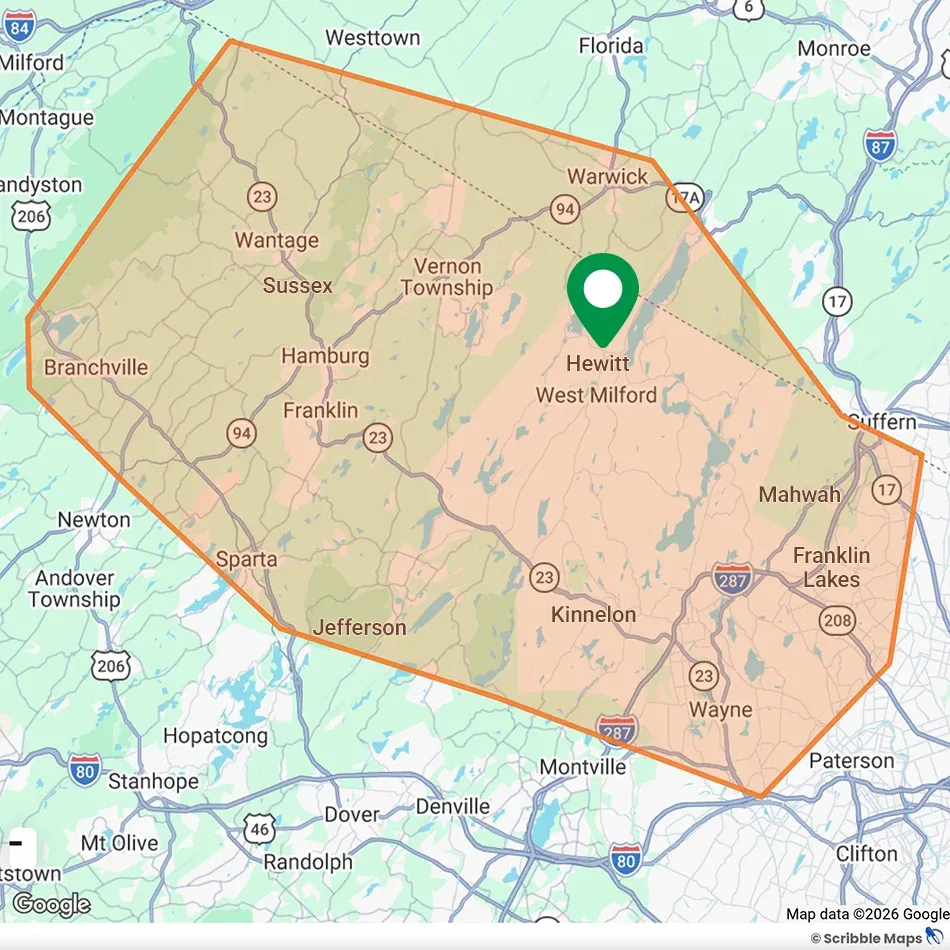
Enjoy your backyard again without the constant swatting and itching. Our all-natural pest control solutions create protected outdoor spaces where families can gather safely. We deliver powerful results while using environmentally responsible methods that keep pollinators safe and unwelcome pests away from your property in Sussex.
Our proven six-application process delivers protection through every outdoor season:
- Comprehensive property assessment to identify pest breeding grounds
- Application of powerful essential oil blends including lemongrass, peppermint, and rosemary
- Strategic targeting of resting areas where ticks and mosquitoes congregate
- High-pressure spray application for maximum coverage
- Regular treatments every 5-7 weeks from April through October
- Follow-up recommendations to maintain a protected outdoor environment
BRS Backyard Bug Busters creates effective barriers against mosquitoes, ticks, fleas, gnats, ants, spiders and numerous other bothersome insects while preserving beneficial pollinators essential to our ecosystem.
